
Reflections on Liberia
Why Liberia?
Over the last decade, my dad (Matt) developed a strong friendship with Daryl Roberts, who lives in Cartersville, GA – just up the road from us. Daryl is a pretty normal dude: he went to UGA, worked in real estate, and bought a nice house in a great neighborhood to raise his family. While on a church mission trip to Liberia, his heart was captured by time spent with orphans living in horrible conditions, many of them suffering (and dying) from preventable diseases and malnutrition. When he got home from that trip, Daryl and his wife Chrissy sold their house, left their careers, and founded Orphan Aid Liberia – an organization that initially focused on providing life-saving nutrition to children dying of starvation.
Over the years the scope widened, and today the organization operates under the name LIVE2540, a direct reference to Matthew 25:40 (“Truly I tell you, whatever you did for one of the least of these brothers and sisters of mine, you did for me”). Their most recent endeavor has been the construction of a pediatric hospital in a rural county of Liberia, where the mission is to provide free healthcare to any child who walks through the door.
In 2024 I began to get more personally involved – spending time with Daryl, learning about the work, and eventually joining the board in 2025. Last year I also had the privilege of supporting LIVE2540 through Aspen Collective, a communal giving model made up of groups of young men who pledge 2% of their annual income and collectively decide where the funds go. Our first chapter (Alpha) raised funding to help LIVE2540 purchase a new Land Cruiser, which was desperately needed for logistics and for transporting sick children to the hospital. All of this culminated in a calling to visit Liberia in person and see the work with our own eyes.
The Flight to Monrovia
We flew out of the Atlanta airport on Thursday. The team was small – just me, Nick Schroer (Alpha Chapter, Aspen Collective), Grady Saunders (Delta Chapter, Aspen Collective), and Daryl and Chrissy Roberts (founders of LIVE2540). We caused quite the scene at the Lufthansa counter, checking fifteen bags filled with hospital scrubs, supplies, and food. We’d learned that it’s far cheaper (and faster) to bring additional checked bags than to ship supplies, so we gladly signed up to be pack mules. From there we boarded our series of flights – Atlanta to Frankfurt, Frankfurt to Brussels, Brussels to Sierra Leone, and finally Sierra Leone to Monrovia.
Nick and I sat together in the back of the last leg (nine hours). Within the first ten minutes, the woman seated behind us sweetly informed Nick that her daughter has autism and might be disruptive during the flight. Poor Nick then endured a solo drum session on the back of his seat for the next eight hours and forty-five minutes and didn’t say a word of complaint. I think we both recognized the humorous irony of heading to a sanctuary for special needs kids and getting a sneak preview on the way. That flight also gave us our first real taste of African culture – people standing up in the aisles, making friends, clapping and cheering when the plane landed. I’m usually an “AirPods in, don’t talk to me” kind of traveler, but there was something about the shared camaraderie and friendliness of strangers that made me rethink my stony travel approach. We stopped briefly in Sierra Leone, dropped off passengers, and picked up more headed to Monrovia. On arrival, we cleared immigration and customs, collected our bags, and checked into the Farmington Hotel. Twenty-nine hours after leaving my house in Marietta, GA, I walked into a hotel room and collapsed onto a bed.
Dinner that first night was at the Farmington Hotel. I had the chicken kebab, which came on an enormous skewer dangling from a hook. The menu was eight pages long and featured any food you could think of – I assumed this would be my last real meal before the “African diet.” Notably, the tomahawk steak was described as “a gorgeous cut of meat,” an inside joke that lasted the remainder of the trip. We slept well. I remember a long, hot shower.
The Drive to Bong County
The next morning we ate breakfast at the Farmington Hotel. Grady and Nick both ordered the fish gravy from the breakfast buffet. Daryl and Chrissy were shocked at their culinary boldness, and the legend of the fish gravy became a running joke for the rest of the trip.
We were picked up by Omaru in a Toyota Hilux and Emmanuel (a.k.a. “E-man”) in the Aspen Collective Land Cruiser – the brand-new vehicle our Alpha Chapter helped fund in 2025. We loaded everything up and set out for the Jesus Loves Me Children’s Center (JLM), about a three-and-a-half-hour drive.
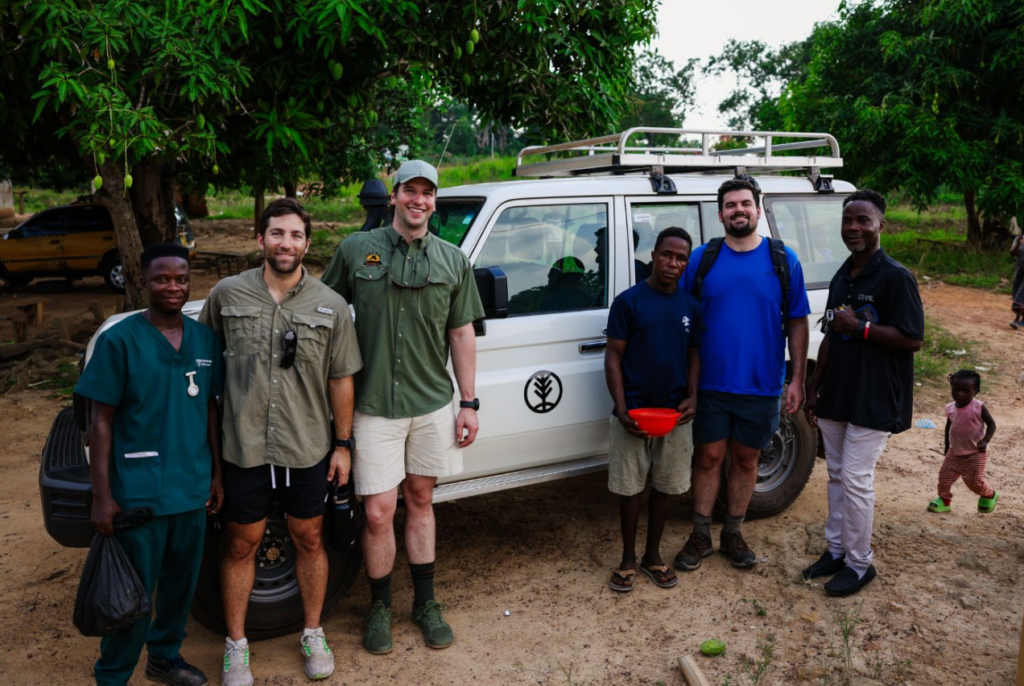
I rode up front and had a full view of the landscape. If you’ve ever been to Africa or any developing country, you know what to expect, but it still hits hard: hours of seeing people living in shacks along the side of the road, ancient vehicles, unsafe driving by just about everyone. Everyone but Emmanuel – he navigated the roads with grace, flowing through the traffic and taking great care of his cargo.
Along the way we passed through the Firestone Rubber Plantation – thousands of hectares of rubber trees worked by locals who live on the property. It operates on a 99-year lease originally signed in 1926, which has since been renewed for another 99 years. It’s hard to imagine the plantation, the housing, or the people looking much different at the end of this next lease. Functionally, the plantation is close to indentured servitude. Workers are given housing, schooling, and food vouchers – a materially higher standard of living than the surrounding area – but if anyone wants to leave, they’re told they owe back payments on everything they’ve received. So, no one ever actually leaves.
We were also stopped at a checkpoint. There are legitimate government checkpoint throughout the country, but this one was more of an informal neighborhood setup – an old rope strung with trash bags across the road, meant to shake down passing vehicles for bribes. In Liberian culture, a bribe is requested by asking for “cold water,” and these guys were thirsty. The men claimed to be immigration officials but didn’t look the part. Emmanuel and Omaru pushed back and asked to see identification, and they weren’t convinced the IDs were legitimate. After about five minutes of negotiation, it became clear we weren’t going to play along, and we moved on without incident.
We drove until we reached Gbarnga (pronounced “Bonga”), the town closest to JLM, in Bong County. From there we turned off onto dirt roads – unmaintained, full of massive potholes, making the 4WD vehicles absolutely necessary. There’s no signage for the Jesus Loves Me Children’s Center; you’re just traveling into what feels like nowhere. And then, out of the jungle, this beautiful facility appears: a large white structure, “Jesus Loves Me Children’s Center” written on the front, a cross with a heart, high fencing, a guard tower.
After hours of seeing no infrastructure, it’s striking.
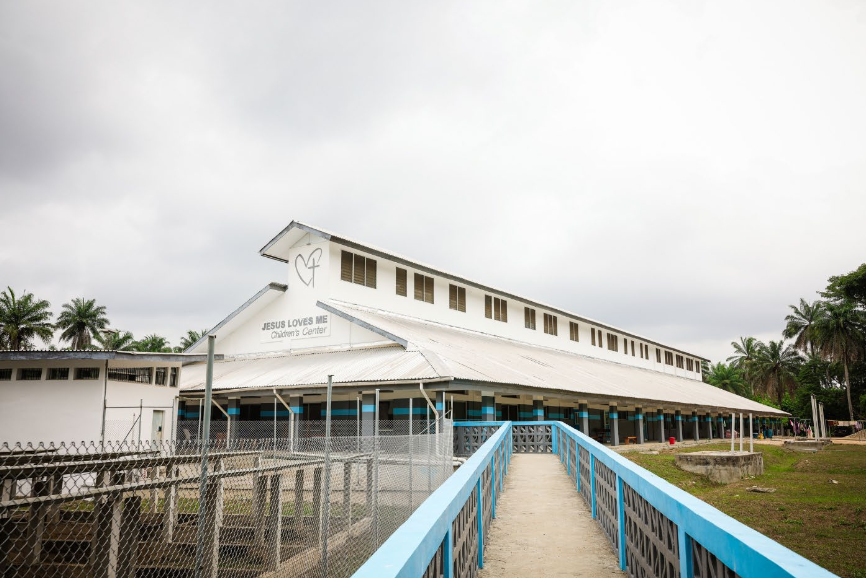
Arrival at JLM: His Safe Haven and the Hospital
We parked at our apartment – a comfortable three-bedroom unit with a kitchenette, one bedroom each. There was running water (not heated) and a functioning toilet, with the important rule that toilet paper goes in the bin, not flushed – a memo that Grady unfortunately did not receive.
We were welcomed by Katie and Gordon, who run the center as its directors. They’re covered in tattoos, wearing comfortable clothes and sandals – about as at-home in the environment as two white people can look. They opened their home to us immediately; that’s also where the Starlink was, so it was the place to check in with family back home.
After settling in, we walked the grounds for the first time. We visited “His Safe Haven, ” the on-site facility for children with cerebral palsy (some also autistic). These are kids who have been abandoned or given up by their families. They live in a collection of small homes, each with an adoptive mother – also a widow – who is paid a salary, given housing and food, and whose job is to raise and love these children. Sometimes these mothers have their own kids too.
We walked through the homes. One child who stood out was Luah – around a year to a year and a half old, with cerebral palsy and epilepsy, who had been in and out of the inpatient ward for months. The first time we saw him, he was lying on the bare concrete floor with a trash bag tied around him for a diaper. He looked like a newborn: tiny frame, limbs twisted by the CP, eyes often rolled back. But there was a sweetness there, and it was clear that everyone deeply loved little Luah. We were told there had been real celebration when he returned home from the hospital and stabilized.
Some of these homes were jarring to be in – bare concrete floors, flies buzzing, the smells of many people living in close quarters, children who wear diapers well into their teens and adulthood. To be perfectly clear, these conditions are fantastic (and clean) compared to the alternative. Our American standards are just different.
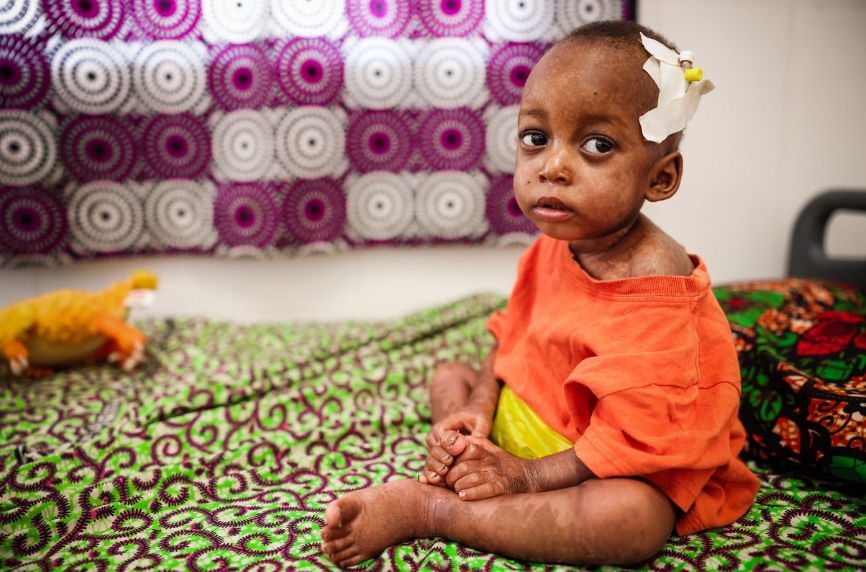
We then went to the hospital, which has both an inpatient and outpatient ward. That’s where we met Miracle and his mother, Princess, for the first time. Miracle was a nine- month-old boy suffering from HIV, tuberculosis, a viral infection, and severe malnutrition.
He had been on a homemade CPAP machine – a Dr. Mikey (JLM’s Chief Medical Officer) invention – for thirty-eight days by the time we arrived. The homemade CPAP is a bottle with a hose poked through the cap; the deeper the hose sits in the water, the more pressure it provides. It was the only thing keeping Miracle breathing. It was horrifying to watch his little chest moving rapidly, up and down, over and over.
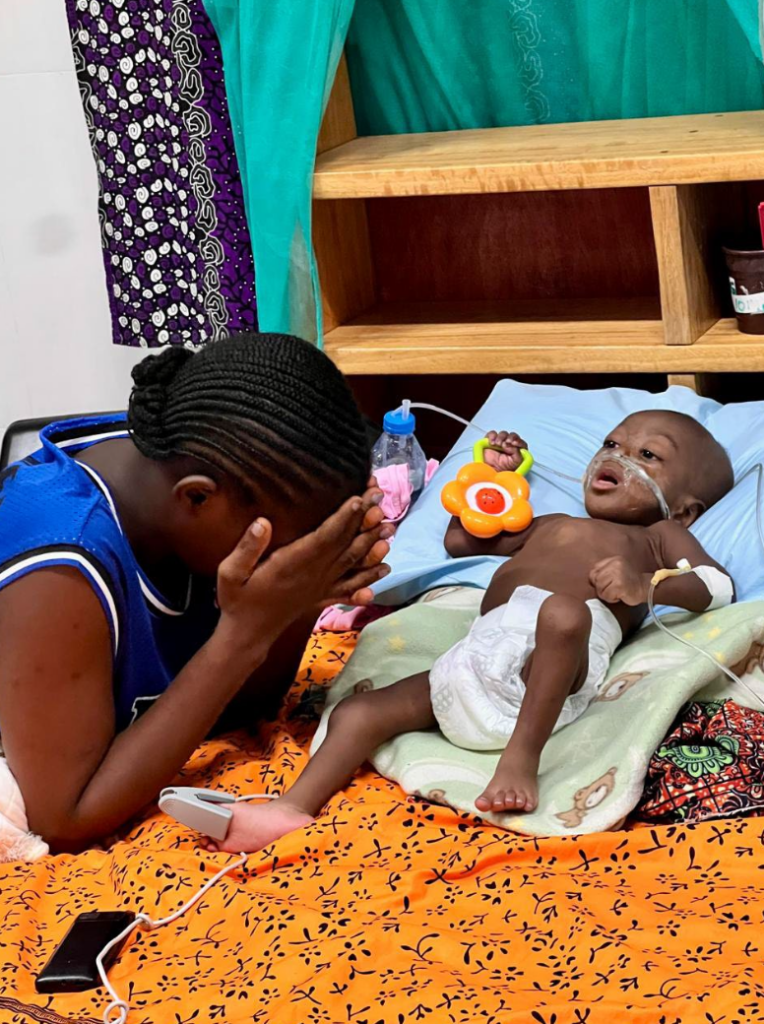
His mother, Princess, was twenty-two years old. She was there alone – no husband, no father present, no family support – just sitting anxiously beside her son’s bed. We were told Miracle’s chances of survival were not good. He had stabilized and wasn’t getting worse, but there was no clear path forward.
We also met some of the other children in the ward – kids dealing with malnutrition and various illnesses, including a baby named Godwin who had come in with severe edema and very swollen feet. He had arrived the week before us; by the time we saw him, he was recovering rapidly.
Dinner with the Missionaries
Katie is remarkable. At JLM, she’s the one who cleans and wraps the children who die there and presents them to their parents. She told us about a mother and father who came back to the hospital days after she had handed them their dead child – just to thank her for the work JLM does. That one stuck with us.
Gordon told a story of his own that captures the ethos here. A mother arrived at the hospital in traditional Muslim garb, fully covered, carrying her sick child. At the door, security asked her to uncover or be turned away – the tribalism of us vs. them is real there, Christian vs. Muslim. Gordon stepped in and said to let her in as she was. The work of Jesus Loves Me (and of Jesus) is to love others whether Jew or Gentile, Christian or not.
She received their care, and her child was healed. The local Muslim priest later came to visit the mother and child and was welcomed the same way. It’s hard not to wonder what kind of message he carried back to his congregation.
Our takeaway that night was that it takes a special kind of person to sign up for living permanently in a country like Liberia. Your tolerance for discomfort has to be immense, and your calling to be there cannot be manufactured. These folks have both.
Easter Sunday in the Jungle
Nick and I woke up early and read Ephesians on the rooftop. Then we went to church – two services, three hours total. People worshiping at full volume, reading scripture, singing. Easter Sunday in the middle of the Liberian jungle. I nearly fell asleep in the second service (long sermon, hot room, a lot of travel), but it was genuinely powerful.
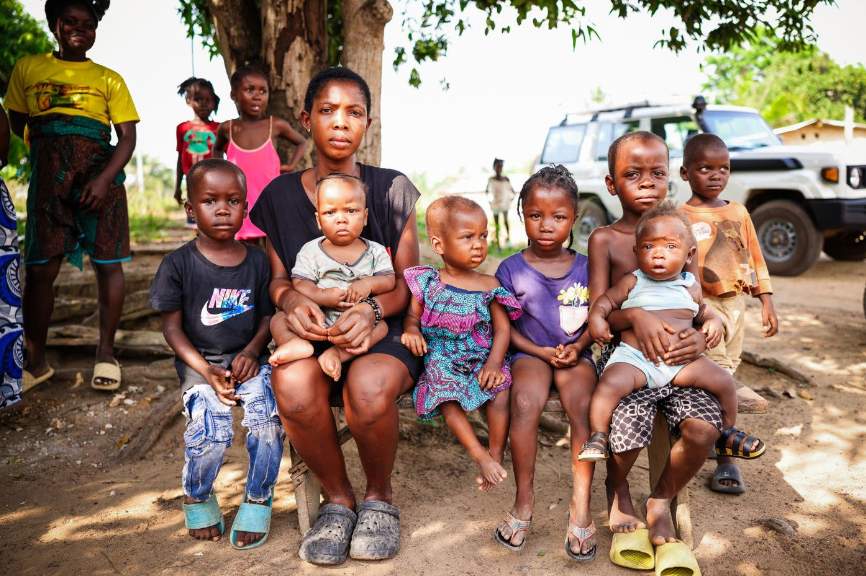
That afternoon, after lunch, Daryl wanted us to see the surrounding area – specifically where the kids at JLM come from, since the villages all share the same structure and the same level of poverty. We were led by Wallace, the outreach coordinator, who spends most of his days on a motorcycle checking on former patients in surrounding villages – making sure kids are eating the food they were sent home with and identifying who needs to come back.
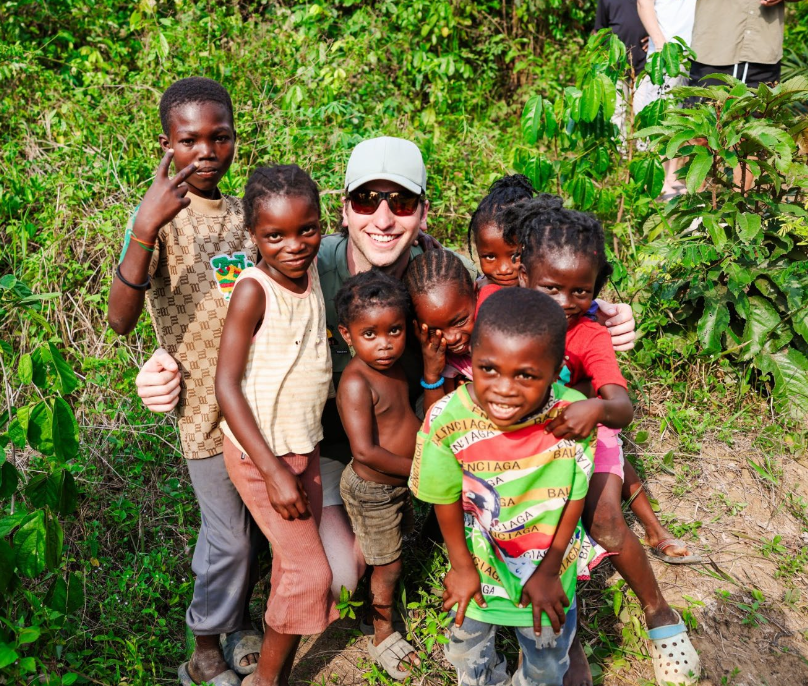
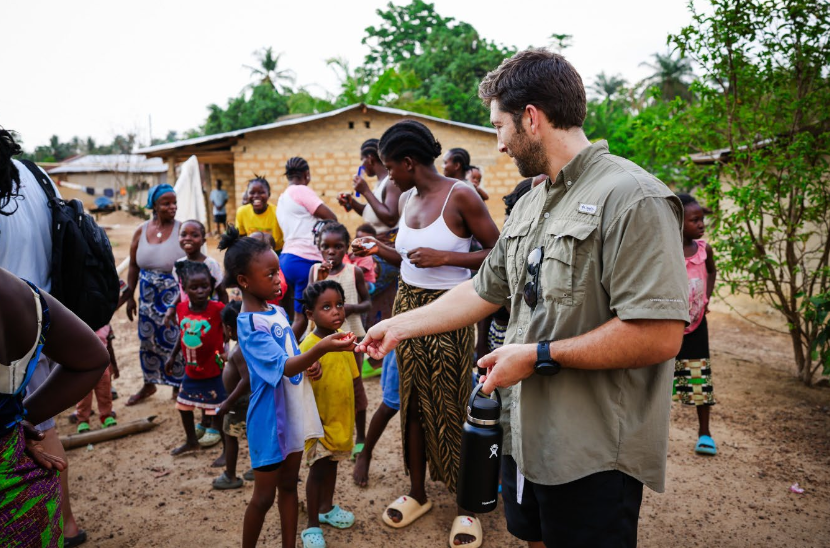
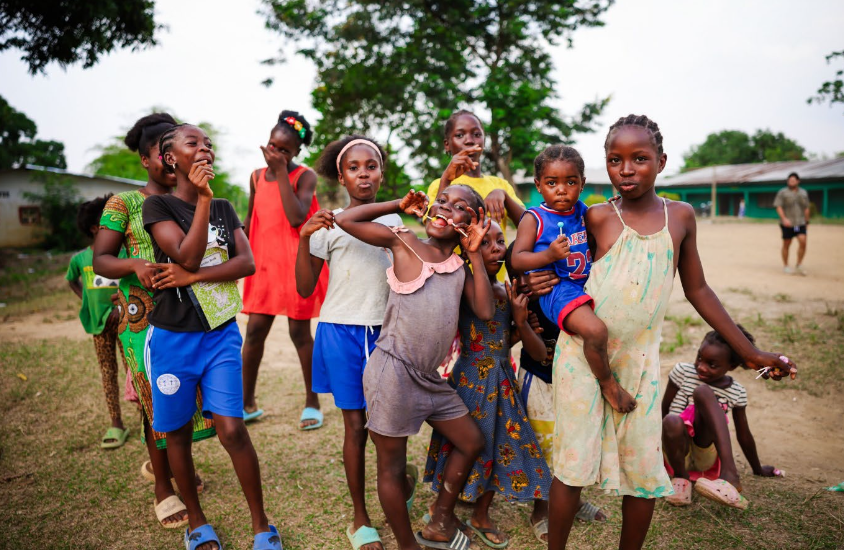
We showed up to one village unannounced, which was the right call. We’d brought 1,200 Dum-Dum lollipops, and Grady had packed Jolly Ranchers and Ring Pops – about 500 additional pieces of candy in a backpack. The key was not to hand anything out too early, or it becomes a mob. We got to walk through the village and look into some of the homes. People live on the dirt – mats and blankets, no air conditioning, no power, no running water, many people to a structure. Zach came with us, and walking through with two 6’6″ white guys side by side, we must have looked to the villagers like the old stories about giants come to life.
At one point a villager – cheerfully drunk on palm wine – insisted on walking Grady into the bush to show off his farm. Probably not the smartest decision we made all trip, but we gota full tour of his cucumber and pepper operations. Grady was swept away on a grand adventure that had us chasing him around, smiling at his eagerness to connect and learn. When one of us mentioned the possibility of stepping on a green mamba, Grady shrugged it off: “I ain’t worried… I’ve killed way more of them than they’ve killed of me.” The kids, of course, were immediately curious and followed us around. One little girl named Phoebe just captured my heart. She reminded me so much of my daughter Helen.
We eventually handed out the candy, which predictably turned into a feeding frenzy. We’d also brought soccer balls, but we had to give them to the village chief’s wife to distribute – there was no other way to do it democratically. One ball was for the boys to play soccer and one for the girls to play kickball: girls aren’t allowed to play soccer, and boys would never dare play kickball. On the way back, we stopped by Emmanuel’s neighborhood. More candy, more soccer balls. Nick and Grady played soccer with the local kids – three against fifteen at first, and the fifteen kept growing as the children’s cheers drew more people out of their homes to watch on this Easter evening. Emmanuel introduced us to his family, beaming with pride over his kids. It drove home how deeply the JLM staff are invested in this mission – not just showing up to work, but rooting their whole families in the community around the center. A good day.

Monday at the Hospital
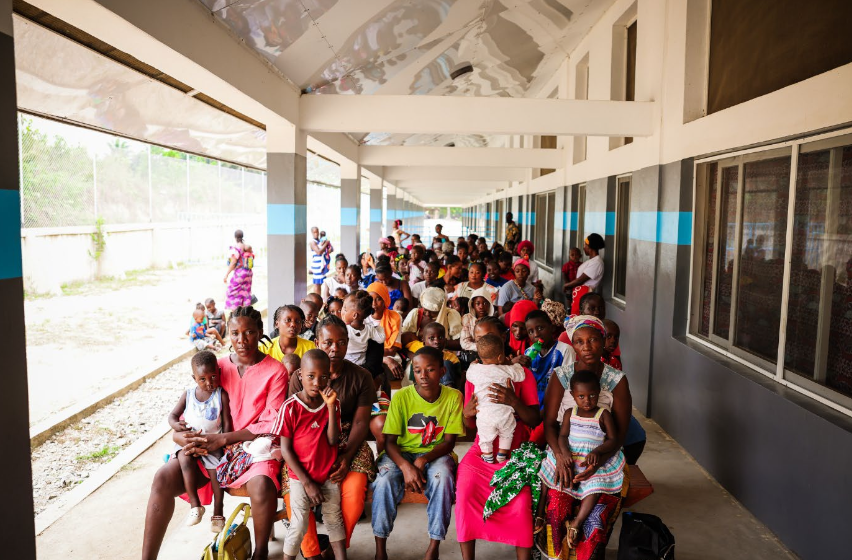
Monday was the hardest day. On Mondays, women line up outside the hospital starting around 5:30 in the morning. The gates don’t technically open until 7:00, but they come from everywhere – some walking, some on motorcycles with infants, some arriving by taxi or with relatives. Some have traveled six or seven hours. For perspective, our drive from the airport to the hospital was three and a half hours and covered more than 120 miles; many of these mothers travel farther than that on foot. They come because this is the only place in Liberia where a mother can walk in with a dying child and actually receive care. The lore of the “hospital in Gbarnga” has spread like wildfire over the last few years.
Mothers travel alone with sick children on the hope that what they’ve heard is true – not unlike the people who traveled to see Jesus. Every other medical facility in the country requires upfront payment. There’s no insurance. If you can’t pay, you don’t get in. So, they come here. We learned that even the government hospital, which is supposed to be the public option, is falling apart – and has started telling patients to make the trip to JLM. Walking down to the facility Monday morning and seeing just how long that line was made it obvious: Liberia needs this hospital.
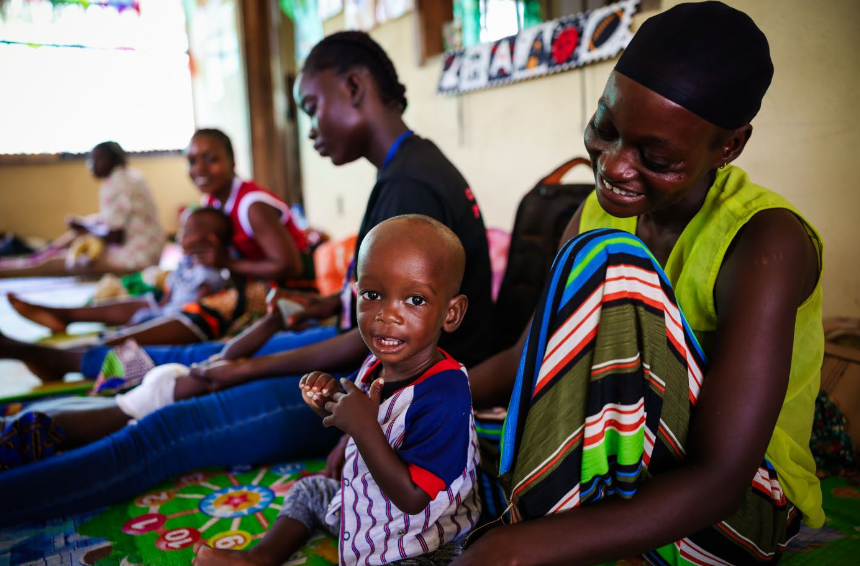
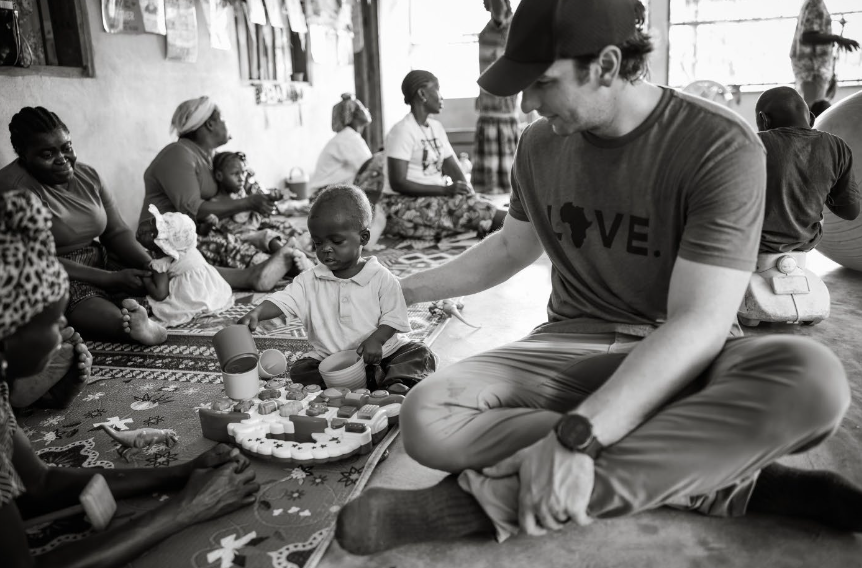
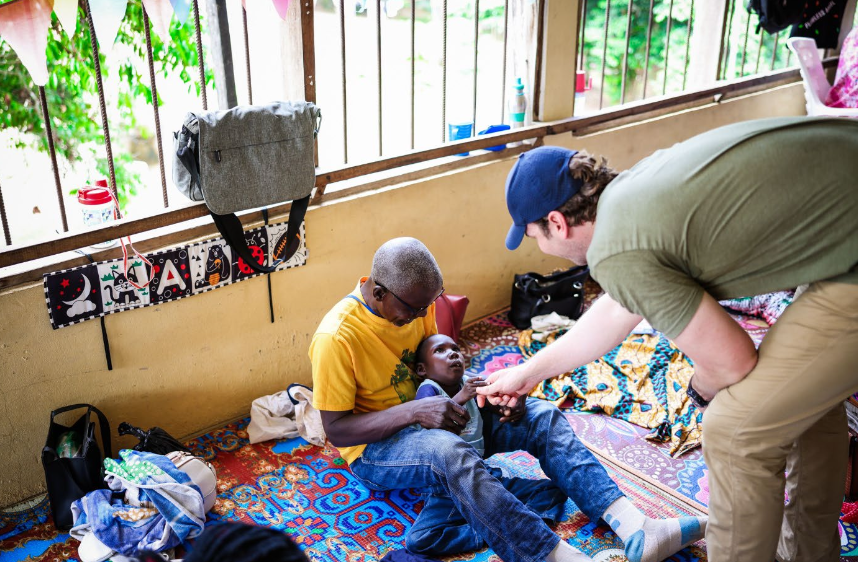
We started the morning at His Safe Haven, where they run a weekly program for local families with cerebral palsy children. One of the cultural realities JLM fights against is the belief – common in surrounding villages – that children with cerebral palsy are demonic, cursed, or not fully human. Families sometimes kill these children themselves, tie them to a tree to die of exposure, or neighbors will poison the children. The program at His Safe Haven brings parents together for something like group therapy: they share a meal, do physical therapy exercises with their kids, worship together. It’s joyful. We heard about a recent worship service there where the leader asked if anyone – including the kids – wanted to say anything. A small girl with CP got the mic and thanked God, simply because she was happy she’d had a good day.
I walked through the room, introduced myself to each mother – “Hello, ma. My name is Luke. What’s your name?” – and held each child, rubbed their backs. You could see how starved for that kind of contact and community these families were. Their faces said everything: a sisterhood of mothers finding community and accepting that their children are blessings, not curses.
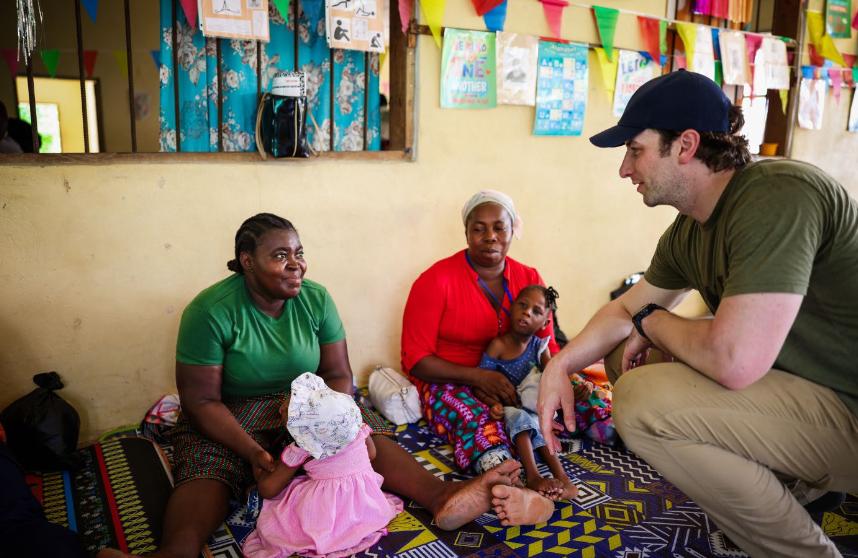
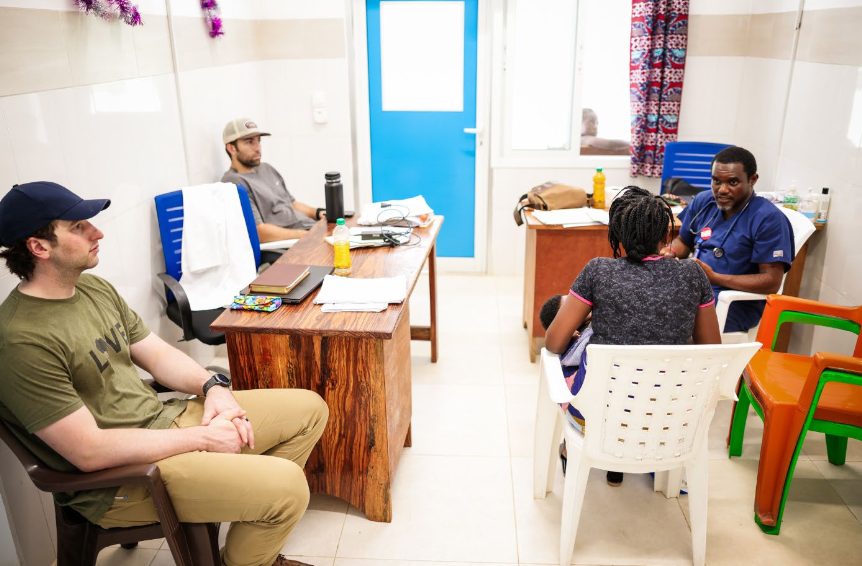
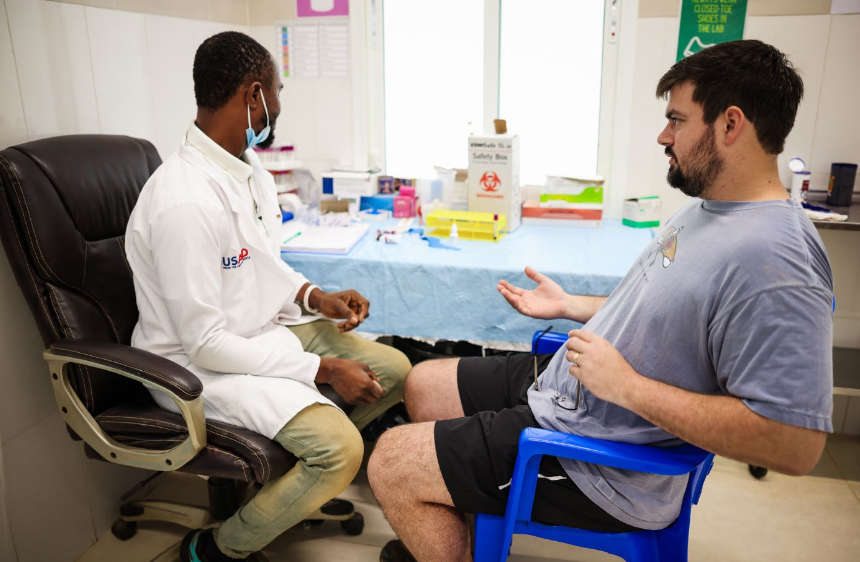
From there we joined the hospital rounds with Dr. Taty and Dr. Pando. These two men are extraordinary – rock solid in their faith, deeply caring toward every patient and parent, delivering heartbreaking diagnoses with kindness all day long. For context, they earn roughly $3,200 USD a month, which is an extremely healthy salary in Liberia. JLM pays its staff above-average wages, and the real kicker is that they actually receive that salary every month – which, given how unreliable government payroll is in the country, is itself a big part of the mission. Every child they see is either being admitted to inpatient care because they’re starving or critically ill – potentially needing a blood transfusion within minutes – or receiving a life-altering diagnosis like epilepsy or cerebral palsy that changes everything for that family. And the vast majority of the parents were mothers. I could count the father figures I saw on one hand.
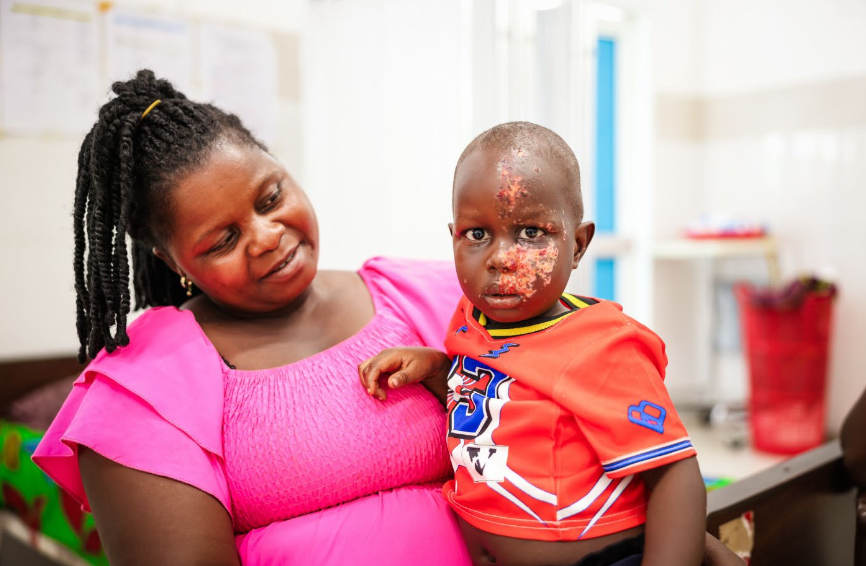
This young boy had been in the hospital for a week already, the injury on his face from a severe case of chickenpox. Apparently, it was 2-3x worse only 5 days before we arrived, so he was well on his way to recovery.
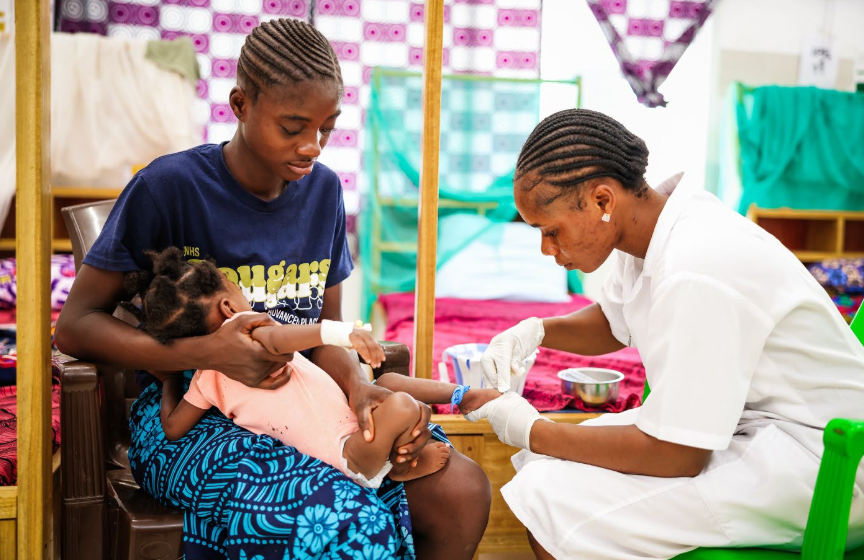
Many of these mothers are very young – some tragically so, with pregnancies beginning as early as eleven or twelve. Fathers are often absent. Rape is common and culturally misunderstood. Women give birth and show up alone. For male doctors to treat these women with this level of dignity and time and care – it mattered enormously, and you could see it on the face of each mother.
That last evening, we were finishing dinner when Katie got a call that Miracle had gone critical. She ran to the hospital; we followed shortly after. He had been stabilized again, but he was having seizures. Later that night, Grady, Nick, and I sat on the roof of our apartment and looked at the stars. We saw three shooting stars and marveled at how dark the jungle was. We were all processing what we’d seen during the day, and we agreed that this trip was worth it for the perspective shift alone. After Nick and I went to bed, Grady returned to the hospital and stayed until around 2:00 in the morning. Time is nonexistent in that hospital, so you can go at any time and see activity. The only real sense of time is the three-hour feeding schedule for the malnourished children – they’re fed variations of formula or Plumpy’Nut (Ready-to-Use Therapeutic Food). Mothers hold their children tight, 24/7.
The Last Morning
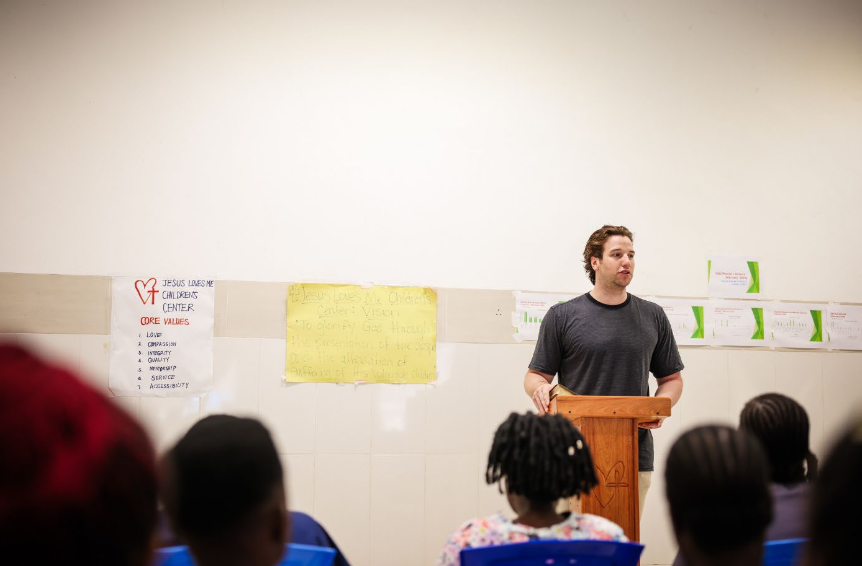
On the final morning, we woke and joined the morning devotional with the staff. This devotional happens every work day, and it’s incredibly memorable. The entire staff sings hymns with all their heart, in a room with unbelievable acoustics. They aren’t a trained choir, but the sound is close to angelic. On the opposite side of the wall, hundreds of women sit in the waiting area with their children. What a wonderful testimony those songs must be to the families who have travelled so far for a glimpse of hope! These men and women truly believe in the mission and purpose of the hospital – not just as a way to save lives, but as a way to witness to mothers and children and share the hope of the gospel.
That morning, I gave a short devotion on the meaning of man’s purpose, both eternally and on earth. I didn’t have the fire-and-brimstone energy the local teachers often display, but I hope the message was well received. For so many Liberians, there is no purpose in life other than pure survival. For these hospital employees, the meaning and mission behind the work is often just as important as the salary they receive. It was a helpful reminder for my own work life – to see the gratitude and excitement these people bring into the workplace every day.
The Long Way Home
I don’t have much to say about the trip home, other than that it took 36 hours to get from JLM to my home in Georgia. Along the way, my mind was tumbling with thoughts and emotions from the trip. It felt so short, and yet so rich in experience and relationship.
While in the air on one of our flights, I received a text from Daryl letting us know Miracle had passed away. He was the first death at the hospital in the month of April. In March, the hospital served 326 children as inpatients, and 9 passed away – largely due to a measles outbreak and to harm caused by the bush doctors, which is sadly common. The news of Miracle’s passing was heavy, and continues to weigh on my heart.
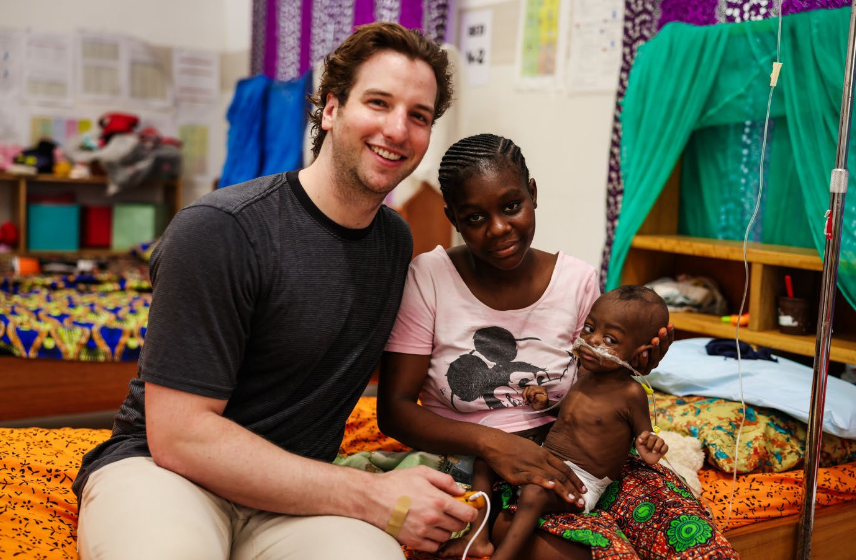
The morning we left, I asked to take a picture with Miracle and Princess. I felt called to pray for her the day before, and prayed again before leaving. It was only 12 hours later that we got the news that Miracle had passed.
The day after I got home, I returned to a busy work schedule and picked up my responsibilities where I’d left them. The day after that, I was a complete wreck. I’m not someone who cries often, but throughout the day I randomly wept. I felt overwhelmed, unable to sort my emotions, and almost ashamed for jumping back into my calendar and email without fully processing my time in Liberia. Even now, as I write this weeks after returning, I feel a sense of “burden” about what we saw. I still think about baby Miracle -his tiny chest pumping to get a single breath of air – and about how we were able to spend a few of his last moments comforting his mother and praying for him. The best I could do was try to sort this “burden” into some takeaway thoughts for myself, and for others. As you read these takeaways, I hope that you don’t feel “guilted” or pressured in any way. That’s certainly not my intention. I just want to share a tiny window into my heart.
1. The Power of Disconnection and Presence
Being at JLM meant no internet, no email, no texts. Your one job was to be present – to observe, to engage, to encourage. That was genuinely difficult for me. I’m wired toward doing things, checking things off lists, providing immediate and measurable value. This trip offered none of that. No metric at the end tells you more children were saved because you showed up.But that constraint forced something open in me. It created space to absorb what I was seeing – the relationships, the suffering, the beauty – in a way that I don’t think my heart is typically positioned for on an average Tuesday in Buckhead. There was no booming moment of revelation, but I do believe God spoke into me during that time. I felt His presence most in the African church. We’d repeat the same verses ten, twenty times in a row, and each repetition carried more soul. The same God who met us in a suburban church, or college ministry, meets these people in the same way – light-years away from our home. The same God who pursues a personal relationship with me also pursues them. In a way, I’m not sure I could have received this at home.
My first takeaway is that I want to find more opportunities to step away from the perform-more, do-more culture I live inside every day.
2. Discomfort is Where Growth Lives
Parts of the trip were deeply uncomfortable. And coming home has been uncomfortable in a different way – a grinding of gears between immersion in real suffering and coming back to Outlook, my to-do list, my coffee maker, and a comfortable American life.
But I’m convicted that discomfort is exactly where I need to spend more time. It’s easy to stay well within your limits, well within your comfort zone. It’s only after something like this that you feel clearly: growth requires discomfort. Perspective shift doesn’t happen in a vacuum. It’s worth pursuing things that shake you awake, even when they aren’t going tofeel good.
3. Gratitude Creates Responsibility
I don’t know why I was born into the circumstances I was: a prosperous country, a fortunate family, a comfortable life. I have to chalk that up to providence rather than randomness. But I don’t want gratitude to just be a sigh of relief. I want it to carry weight – to ask, “what is being asked of me with these resources? With these relationships? With these opportunities?”
The gap between my life – a stable and generous income, a comfortable home in suburban Atlanta, a beautiful wife, a healthy 13-month-old daughter – and the reality of a teenage mother walking hours to a hospital because her child is dying of malnutrition, with no one to support her and no other option for care, isn’t just a different planet. It’s a different universe. I can’t fathom her reality, and she can’t fathom mine. That’s convicting. And practically, it makes me think harder about how I spend my money and my time.
4. Respect for Those Who Said Yes
Daryl Roberts founded LIVE2540 after going on a regular mission trip to Liberia, coming home, quitting his comfortable job, selling his house, and dedicating his life to this work. His wife Chrissy supported this decision without hesitation, from the first phone call he made to her while in Liberia on that first trip. Gordon and Katie left behind comfortable lives in the States. These are people who heard a call and answered it – not because they were excited, not because it was convenient, but because they said yes. One of our biggest takeaways from the people we met – Daryl, Chrissy, Zach, Katie, Gordon – is that none of them are preachers. It’s easy to think of missionaries as profound teachers who can recite scripture and deliver hour-long sermons with ease. This group is certainly gifted, but their gifts are operational – boots on the ground. God made each of us uniquely to spread the gospel, even if we don’t fit the “mold.” Moses had a stutter and was fleeing a murder charge. Be open to the calling and don’t write yourself off. God hasn’t written you off either.
I’ll be honest: I’m afraid God might call me in the same direction. Not because it wouldn’t be meaningful, but because I don’t know if I’m ready. Daryl wasn’t ready either. What mattered is that he said yes. So, I’m praying that if there’s a calling in my life that strong -“pack up, you’re going to Africa” – my answer is “yes, Lord.” And if my calling is different – to stay where I am, continue working, and support organizations like LIVE2540 financially, even at the upper limit of discomfort – my answer is the same: “yes, Lord. ” I’m not trying to negotiate the terms. I just want my answer to be yes.
5. Go. Be Present with the Broken.
On a practical level, I believe it’s worth committing real time and energy to physically being present with the broken – with the poor, the sick, the widows, the orphans. Not reading about it, not watching a slideshow, not having coffee with a non- profit founder. It’s different when you say yes to getting on a plane and going. Smelling it. Engaging in relationship. Seeing brokenness with your own eyes.
The goal isn’t to manufacture emotions or arrive at a predetermined conclusion. It’s all about removing the cloudy lens that Western life is so good at providing. We are excellent at allowing life in America to shelter, callous, and distract us from the reality of the outside world. The exercise of going is allowing the reality of global suffering to become real to you, not just conceptually but viscerally. If anyone reading this wants to go – to the Jesus Loves Me Children’s Center in Bong County, Liberia – I’m willing to sponsor your trip. The realist, responsible, practical Luke hopes that 15 people don’t respond to this and say “I’ll take you up on that offer. ” But the challenged, burdened, grateful Luke hopes that 30 people say “Yes, I want to go.” It’s just opening a door and asking God: “what does this mean for me?” You don’t have to come back transformed. You just have to be willing to go.
-Luke Burton